The Envelope Has Entered the Chat: Why Trixie Fans Still Put Gratitude on Paper
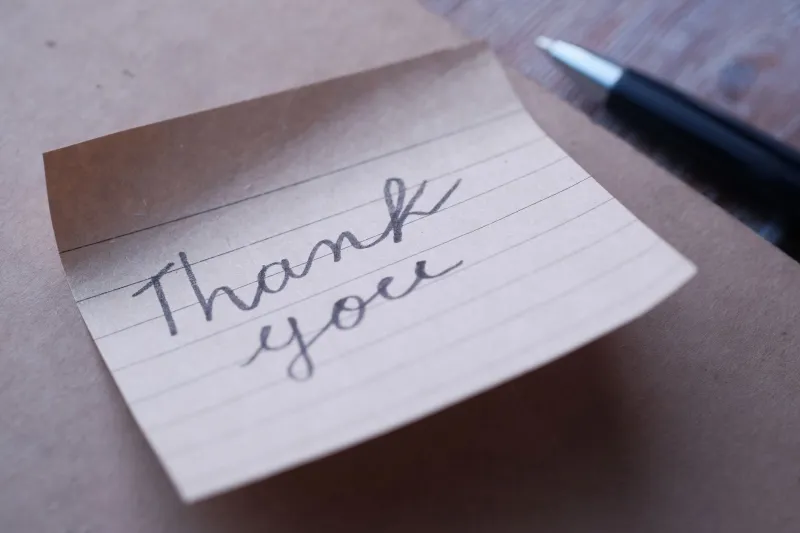
At a Trixie show, the loudest moments usually happen in the room: the crowd, the encore, the group-chat recap at 1 a.m. But the quietest ritual often starts later, at a kitchen table, with a pen that refuses to cooperate. Somewhere between the ticket stub and the laundry, a Trixie fan is writing a thank-you note.
Not because anyone asked. Not because there is a reply button waiting. That is kind of the point.
Across the Trixie fan community, handwritten gratitude has become a small but stubborn tradition. Fans write notes after shows, after meet-and-greets, after a livestream that landed on exactly the right night, after a stranger in line became a friend before the doors even opened. The notes go into envelopes, get a stamp, and disappear into the mystery of a mailbox. Sometimes they are read. Sometimes they are not. Either way, the writing happens.
The Note That Doesn't Need a Notification
Digital fandom is built on instant feedback. A post gets likes. A comment gets a reply. A story gets a view. A thank-you card gets... nothing, at least not immediately. No read receipt. No typing bubble. No little heart popping up in the corner.
That silence is what makes the habit interesting.
For a lot of Trixie fans, the handwritten note is a way to say something without turning it into a transaction. You are not trying to start a conversation, farm engagement, or get noticed by an algorithm. You are trying to leave a small, tangible piece of gratitude on the record. It is less like posting and more like tucking a note into a library book for whoever finds it later.
It also feels good in a way that a DM does not. A text can vanish in a scroll. A card sits on a table. It has weight. It smells like paper and maybe a little like the coffee you spilled while addressing it. In a fandom that lives online, that is a strange and useful kind of permanence.
Why Paper Still Wins in a Group-Chat Fandom
There are practical reasons fans still reach for paper. Handwriting forces you to slow down. You cannot edit a card as easily as a comment, and you cannot delete it if you get nervous. That makes the message more intentional. You have to decide what you actually want to say, then say it in ink.
There is also the craft angle. Trixie fans love a bit of theater, and stationery is theater in miniature. A pack of thank-you cards from the Target dollar section, a good pen from a local art store, a sticker that matches the era, a washi-tape border that got slightly out of hand—none of it needs to be expensive. The point is not to produce a luxury object. The point is to make the note feel like it came from a specific person, not a template.
And yes, the USPS still helps. A forever stamp is a tiny, old-school gesture that says this mattered enough to leave the phone. Fans swap envelope-stuffing tips in group chats the same way they swap setlist predictions. Did you use a card or a postcard? Did you write the address neatly or let it look like a raccoon got into the pen cup? Did you remember to put the stamp on before sealing it? These are not glamorous questions, but they are community questions.
What Actually Gets Read (Hint: It Isn't a Novel)
The unspoken rule of fan mail is simple: brevity is a kindness. A good thank-you note does not need a full origin story, a detailed recap of every song, or a paragraph explaining why the fan has been following Trixie since the beginning. It needs a clear thought, a specific memory, and a warm exit.
Fans who have been doing this awhile tend to follow a loose formula. Start with the thank-you. Name the thing you are thanking them for. Add one detail that proves you were there, or that the moment landed. Then close without asking for anything. That last part is the whole ballgame.
A note that says thank you for the show, the encore made me laugh, and I hope the tour bus has good snacks is doing the job. A note that says thank you for the show, please reply with your favorite color, your schedule, and a selfie is not a thank-you note. It is a customer service ticket with glitter on it.
Specificity helps. Instead of writing that the show was amazing, mention the moment the room went quiet, or the joke that landed in the third row, or the way the livestream made a bad week feel less bad. Trixie fans are good at noticing small details. The note is just a place to put one of them.
The Etiquette of Sending Without Expecting
Here is where the tradition gets a little delicate. Fan mail can be generous, but it can also become pressure if the sender forgets the score. The note is a gift. It does not come with an invoice. No reply is owed. No follow-up DM should ask whether it arrived. No public post should turn it into a receipt.
The healthiest version of this habit treats the mailbox like a one-way stage door. You leave the note. You walk away. If it gets read, great. If it gets tucked into a pile and found months later, also great. If it never gets read at all, the gratitude still happened. That is not a wasted stamp. That is the entire point.
Fans also tend to keep the details kind. No backhanded compliments. No pressure to remember a specific interaction. No making the recipient responsible for the sender's feelings. A thank-you note should feel like a deep breath, not a bill.
The Small Ritual That Outlasts the Setlist
In 2026, it is easy to document a fandom. There are clips, recaps, rankings, and group chats that move faster than a stage crew. But the handwritten note is one of the few things that does not try to keep up. It sits in a drawer until it is ready. It asks for a stamp, not a signal. It turns gratitude into something you can hold.
The Trixie fan mail habit is not a campaign. It is not a trend that needs a hashtag. It is just a bunch of people deciding that a thank-you deserves more than a tap on a screen. And in a community built on backstage stories and front-row feelings, that might be the most backstage gesture of all.