Cardstock Diplomacy: How to Make a Trixie Fan Sign That Earns Its Airspace
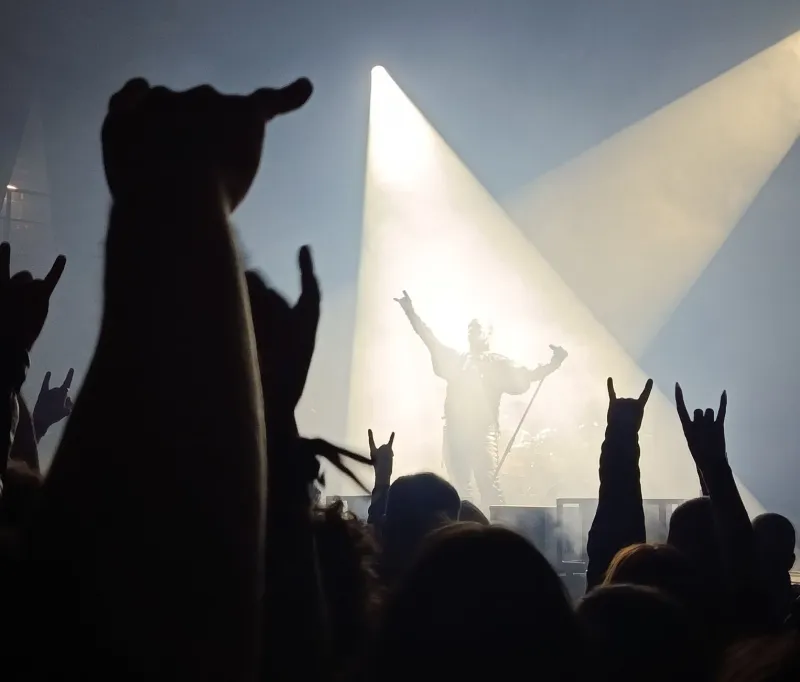
There is a moment at every Trixie show when the house lights are still up, the room is half-full, and somebody unfurls a piece of poster board with the confidence of a person unveiling a national monument. Sometimes it works. Sometimes the sign gets a laugh, a pointed finger, a little improvised crowd work. Sometimes it gets a groan from the row behind it and a security guard doing the world’s least subtle walk-by.
The difference is not luck. It is cardstock diplomacy.
A fan sign is not a billboard, a diary entry, or a customer-service ticket. It is a visual prop with one job: to give Trixie something to notice without taking the show away from the room. Get that balance right and your sign can feel like part of the night. Get it wrong and you have created a very small, very handmade obstacle.
Start With the Right Job Description
The best signs are not demands. They are gifts with a handle. They say, here is a joke, here is a compliment, here is a weird little detail that proves I have been paying attention. They do not say, validate me for the next ninety minutes.
That is why the most effective signs tend to be short. A name, a punchline, a specific reference, a sincere line with a funny twist. Think of it as a caption, not a paragraph. If Trixie has to squint, read for ten seconds, and translate from Tiny Handwriting, the moment is already gone.
Size, Material, and the Physics of Not Being That Person
A good rule for most general-admission rooms: smaller than you think. Something in the neighborhood of 11 by 14 inches is usually plenty. It is big enough to read from the stage and small enough to lower when the person behind you is trying to see a human being in a wig.
Skip anything that sheds. Glitter is a lifestyle, not a sign material. Loose glitter ends up on seats, in eyes, and in the venue’s carpet, and it makes you the fan who brought craft herpes to the theater. Foam board or stiff cardstock is easier to hold, easier to read, and less likely to flop into somebody’s drink.
Check the venue’s rules before you go. Many US venues have clear-bag policies, limits on what you can carry, and rules about poles, sticks, and anything that looks like it could become a projectile. A sign that cannot get through the door is not a sign. It is a parking-lot souvenir.
The Message: Specific Beats Enormous
This is the part where people get ambitious. They want the sign to be funny, touching, clever, personal, and legible all at once. That is four things too many.
Specific is better than huge. A sign that says ‘Your laugh got me through a Tuesday’ is doing more than a sign that says ‘I LOVE YOU TRIXIE’ in six colors. A sign that says ‘I drove from Ohio and all I got was this excellent eyeliner’ gives Trixie a runway for a joke. A sign that says ‘Please rate my wig on a scale of 1 to Dolly’ is a whole bit in nine words.
The signs that tend to get noticed have a little theatricality and a lot of manners. They are in on the joke. They are not trying to win a contest for the most tragic backstory in the room. Save the heavy stuff for a letter or a conversation after the show, not for a piece of poster board that has to compete with stage lights.
And please, no signs that insult another performer, another fan, or Trixie’s team. Mean is not the same as funny. It just makes the room colder.
Timing Is the Whole Trick
The same sign can be charming at the right moment and exhausting at the wrong one. During a high-energy number, hold it up briefly and then let it rest. During crowd work, you have a better shot. During an emotional ballad or a serious story, put it down. The sign is not the show. The show is the show.
A good move is to have it visible at the start of the night, then keep it low unless Trixie is clearly scanning the room for crowd bits. If Trixie acknowledges it, great. Lower it. Do not keep waving it like you are signaling a rescue plane. The acknowledgment is the win.
The Etiquette Nobody Puts on the Poster
Do not block the view for more than a few seconds. Do not hold the sign above your head for the entire show. Do not hand anything to the stage or toss anything toward the performers. Do not use flashing lights, lasers, or anything that could mess with the venue’s lighting or another fan’s eyes. And do not chase the moment if it does not happen. A sign that gets ignored is not a failure. It is just a sign that did not get a turn.
If someone behind you asks you to lower it, lower it. That is the whole policy. You are sharing a room with people who also paid to be there, and the fastest way to make a charming prop feel rude is to treat your sightline as the main character.
Signs That Get Groaned
The groan usually comes from one of four places. It is too big. It is too long. It is too mean. It is too much of a demand. ‘Notice me’ energy is heavy. ‘I am your biggest fan’ is fine to feel, but it does not give Trixie much to work with. A novel-length sign is a reading assignment. A sign that blocks the view is a public service announcement for lowering it.
The sweet spot is a sign that feels like it came from a specific fan with a specific sense of humor, not from a marketing department or a complaint box. Keep it light. Keep it legible. Keep it movable.
Make It Part of the Show, Not a Distraction
A great fan sign is basically a costume for your hands. It should match the energy of the room, not fight it. Practice holding it at home. Test the lettering from across a room. Ask a friend if it reads in three seconds. Then bring it to the show with the humility of someone who knows the night belongs to everyone.
And if signs are not your thing, that is fine too. The room does not need a forest of poster board. Sometimes the best contribution is a loud laugh, a good outfit, and enough self-control to let the person in front of you have their moment. That is the real Trixie The Only playbook: show up with something to give, not something to take.