Aunt Carol Doesn't Need the Whole Setlist: A Trixie Fan's Thanksgiving Table Guide
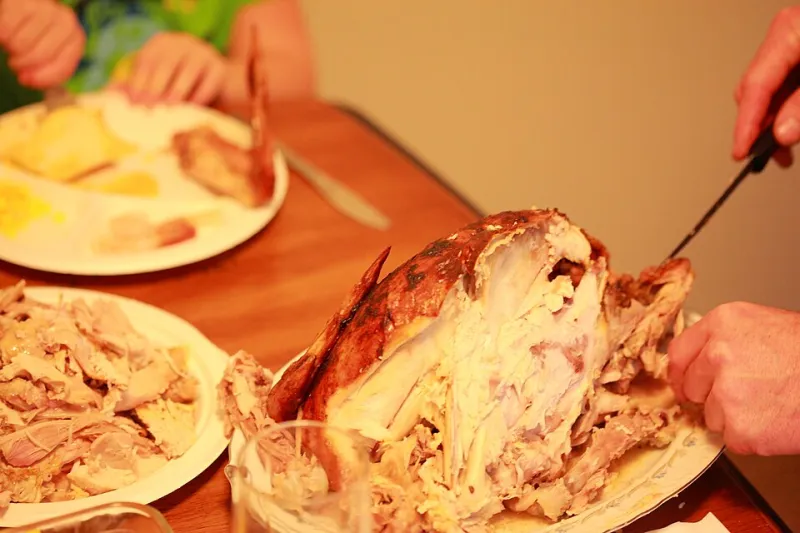
Photo: Pink Sherbet Photography from USA, CC BY 2.0, via Wikimedia Commons
Thanksgiving has a way of turning every family table into a tiny tribunal. Somewhere between the cranberry sauce and the second round of pie, someone asks what you've been up to, and you have to decide whether to mention the Trixie show you've been thinking about since August. For fans, this is the annual dilemma: the lore is right there, warm and ready, but the room may not be. The goal isn't to convert your relatives or turn dessert into a TED Talk. It's to survive the holiday with your enthusiasm intact and your relationships unshaken.
Read the Table Before You Read the Room
Every Thanksgiving table has a weather system. There's the uncle who wants a debate, the cousin who wants a distraction, the grandmother who wants to know why you drove four hours for a concert, and the one relative who genuinely wants to hear about your life but has no context for any of it. Before you launch into the backstage story that still lives rent-free in your group chat, do a quick scan. Who's asking? Is the question small talk or an actual invitation? Are people reaching for more rolls, or are they leaning in?
The best Trixie fans know that timing is part of the craft. A three-minute story about the queue outside a venue can land beautifully with the cousin who loves a good travel anecdote. The same story can flatten the room if it arrives during a tense family budget conversation. You don't need to hide your fandom. You just need to match the volume of the room.
Three Scripts That Keep Dessert Civil
Sometimes a simple redirect is the kindest thing you can offer. These aren't meant to shut anyone down. They're meant to keep the conversation from becoming a full-family interrogation about why you spent money on a ticket instead of a new couch.
The light deflection: "Oh, it's a whole thing — I'll show you one photo after dinner. Did you try the sweet potatoes?" This works because it acknowledges the interest, promises a small follow-up, and moves the table forward.
The honest boundary: "I love talking about it, but I've learned this crowd isn't the right room for a deep dive. Ask me about the playlist instead." You're not apologizing for your fandom. You're naming the limits of the setting.
The polite exit ramp: "That's a longer story than the green bean casserole can survive. Remind me when we're doing dishes." It's playful, it's clear, and it gives you a future moment with a smaller audience.
The One-Artifact Rule
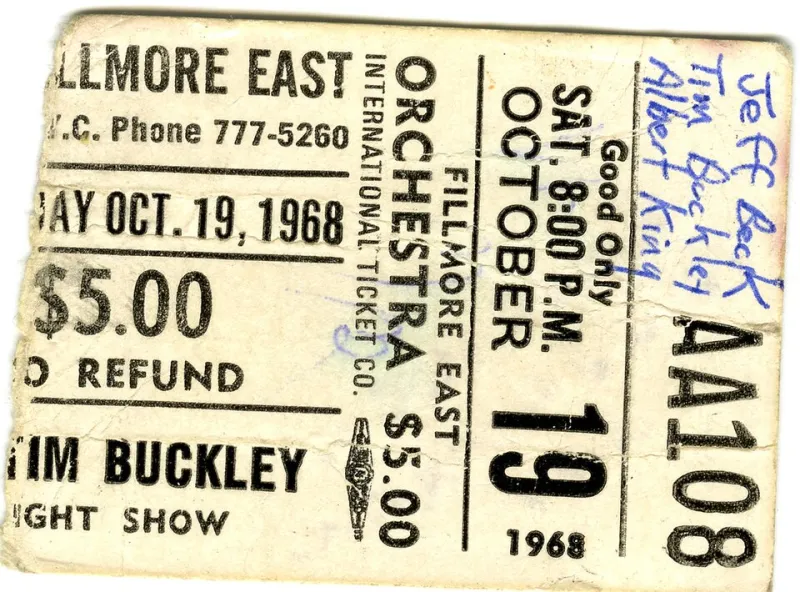
If you want to introduce relatives to Trixie without turning the holiday into a lecture, bring one artifact. Not a folder. Not a slideshow. Not a phone handed around the table with a 12-minute video and a running commentary. One thing: a ticket stub, a photo from the show, a piece of merch with a story attached, or a single song queued up for the car ride home.
The one-artifact rule works because it respects attention spans and gives the curious relative something concrete to react to. My favorite low-stakes move is the post-dinner photo: one picture, one sentence of context, then let them ask questions. If they don't, you've lost nothing. If they do, you've opened a door without shoving anyone through it.
Boundaries Are a Side Dish, Not a Lecture
Some relatives will not get it, and that's allowed. You are not required to make your fandom legible to everyone at the table. What you are required to do — for your own peace — is decide in advance what you're willing to discuss and what you're not. Maybe you'll talk about the show but not the cost. Maybe you'll share the funny travel story but skip the emotional backstage moment that still makes your eyes sting. Maybe you'll answer exactly two questions and then ask about the football game.
Boundaries don't have to sound like a courtroom ruling. They can sound like, "I'm happy to tell you about it, but I don't want to spend the whole meal defending it." They can sound like, "That's a bigger conversation than I want to have over turkey." The key is to say it once, calmly, and then pass the gravy.
When to Let It Go
Here's the part nobody puts on a fan blog: you don't have to win Thanksgiving. If your aunt makes a face at the word "fandom," you can let that be her business. If your uncle calls it a phase, you can decide not to correct him. The lore will still be there on Friday. The group chat will still be there on Friday. Your favorite backstage story doesn't expire because it didn't get a standing ovation between the pie and the coffee.
What matters is that you come out of the holiday with your energy intact. That might mean steering the conversation toward the cousin who actually asked. It might mean saving the good story for the drive home with the friend who gets it. It might mean excusing yourself to help with dishes and having a quiet moment to yourself in the kitchen. All of those are wins.
So this Thanksgiving, pass the gravy. Pass the rolls. Pass the lore only when someone at the table has actually pulled up a chair for it. And if the room isn't ready, that's fine. The fandom will keep the seat warm.